Phenoxymethylpenicillin is a penicillin-type antibiotic used to treat bacterial infections such as throat infections (including streptococcal tonsillitis and pharyngitis), skin infections, scarlet fever, and to prevent rheumatic fever or infections in people with weakened immune systems. It works by stopping the growth of bacteria.
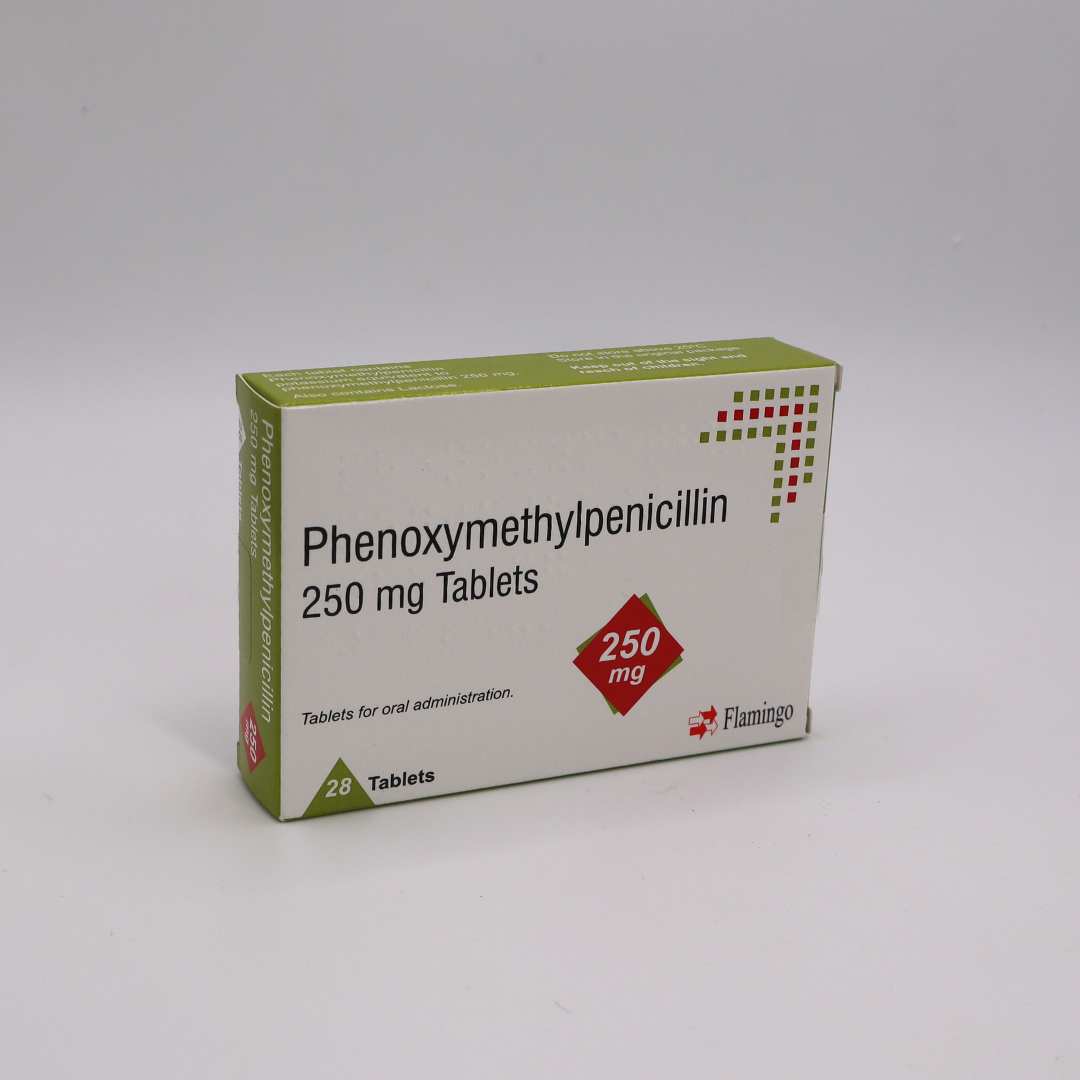
Phenoxymethylpenicillin Tablets
£9.99
Phenoxymethylpenicillin is a penicillin-type antibiotic used to treat bacterial infections such as throat infections (including streptococcal tonsillitis and pharyngitis), skin infections, scarlet fever, and to prevent rheumatic fever or infections in people with weakened immune systems. It works by stopping the growth of bacteria.
Directions
- Take exactly as directed by your doctor.
- Usually taken four times daily (every 6 hours), preferably on an empty stomach (1 hour before food or 2 hours after).
- Swallow tablets whole with water.
- Complete the full course to ensure effectiveness and prevent resistance.
- Do not skip doses or stop early, even if you feel better.
Ingredients
- Active ingredient: Phenoxymethylpenicillin potassium (commonly 250 mg or 500 mg).
- Excipients: May include lactose, magnesium stearate, starch, and other fillers depending on the manufacturer.
Warnings
- Do not take if you are allergic to penicillin or other beta-lactam antibiotics (e.g., amoxicillin, cephalosporins).
- Tell your doctor if you have kidney problems, asthma, hay fever, or other allergies.
- May interact with other medicines, including methotrexate, anticoagulants (e.g., warfarin), and certain contraceptives.
- Not usually recommended in people with serious penicillin allergies.
- Use in pregnancy and breastfeeding only if advised by a doctor.
Possible Side Effects
- Common: Nausea, vomiting, diarrhoea, abdominal pain.
- Uncommon: Rash, hives, oral thrush, black hairy tongue.
- Serious (seek medical help): Severe allergic reaction (anaphylaxis), difficulty breathing, swelling of the face/lips/tongue, severe diarrhoea (possible sign of C. difficile infection).
Related products
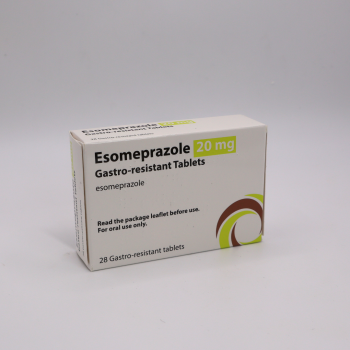
Esomeprazole Tablets
Starting from
£13.99
Start Assessment
This product has multiple variants. The options may be chosen on the product page