

Naproxen is a nonsteroidal anti-inflammatory drug (NSAID) that helps reduce inflammation and pain in the body. It works by blocking the production of certain natural substances that cause inflammation. This medication is commonly prescribed for conditions like arthritis, muscle aches, and menstrual cramps.
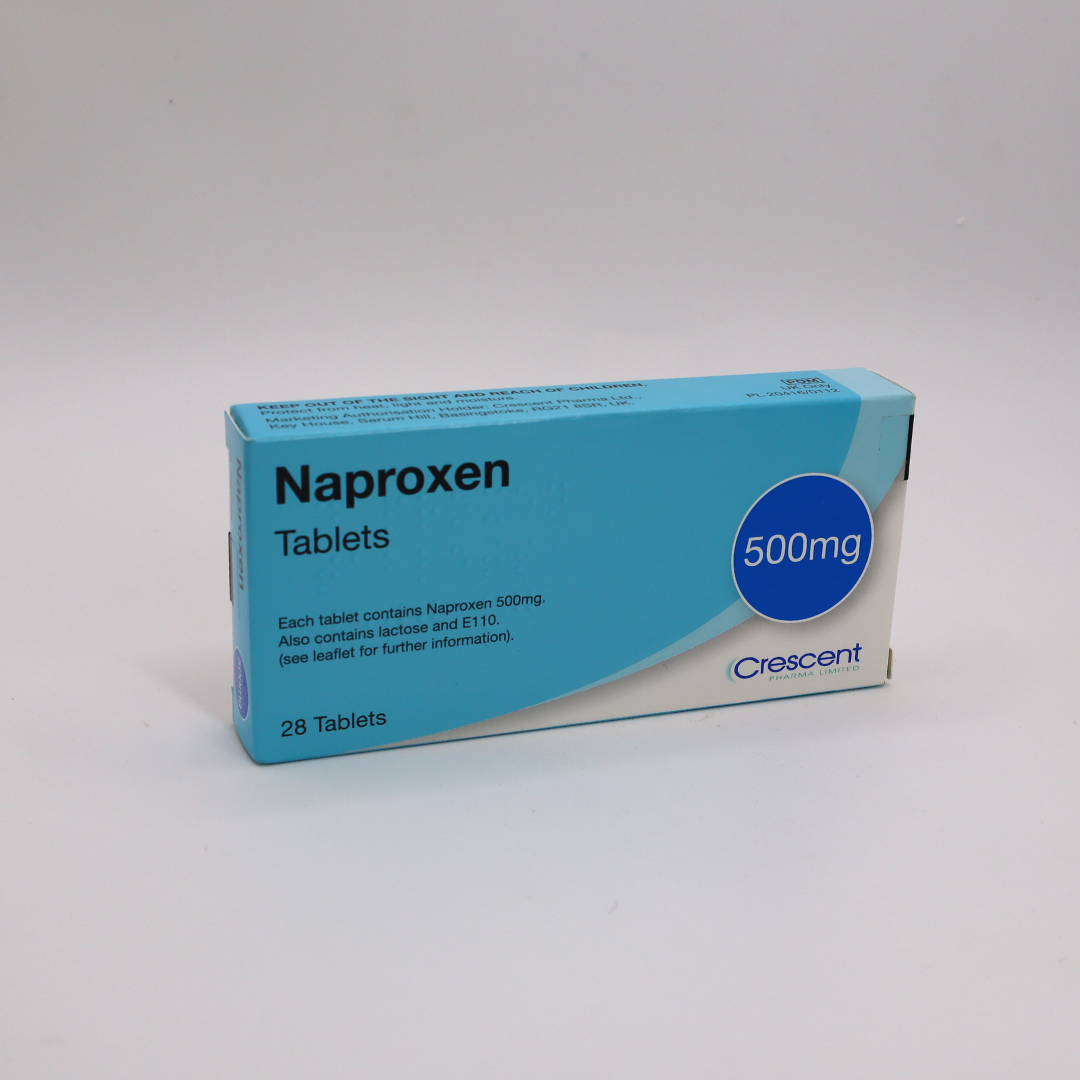
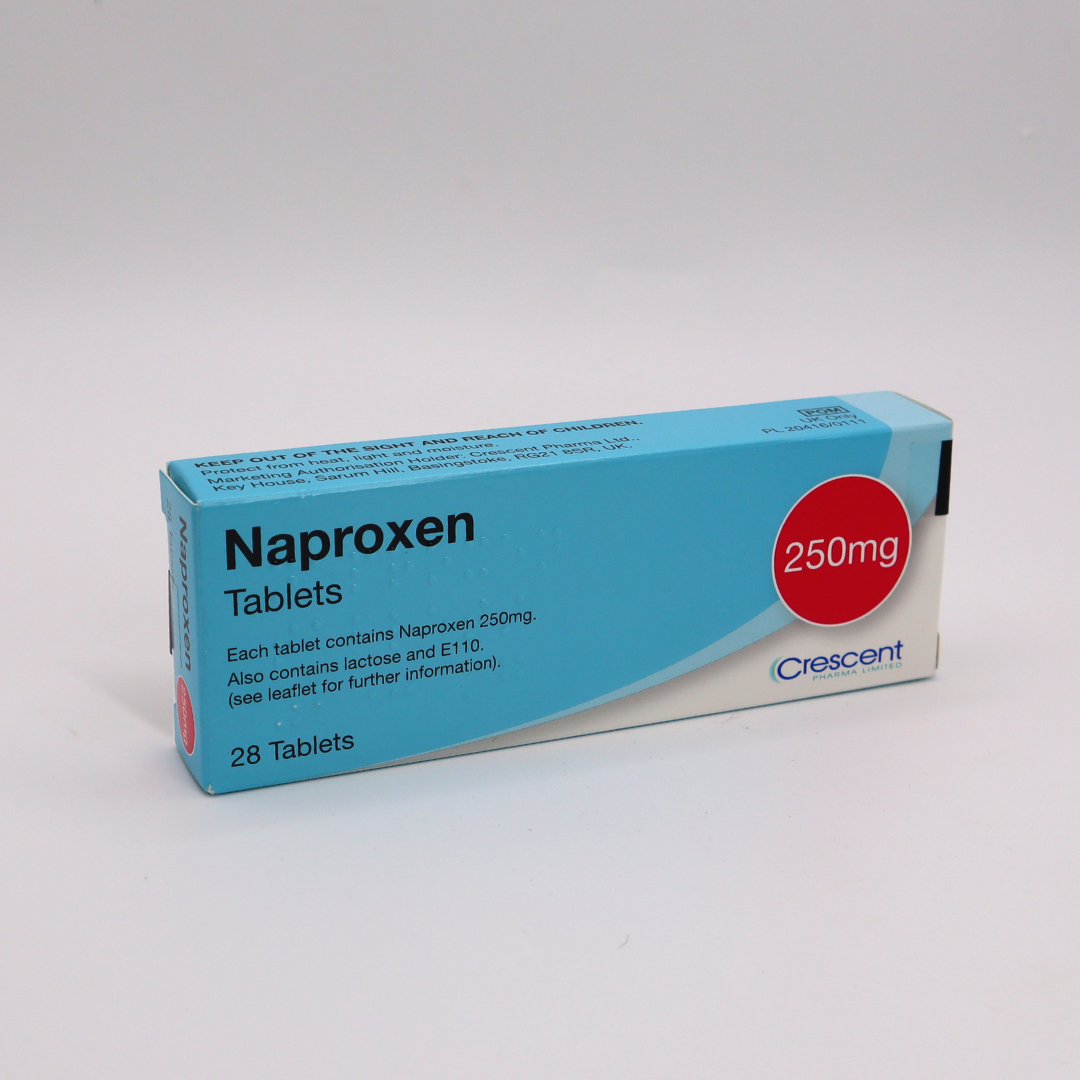
Naproxen Tablets
£10.99 – £11.49Price range: £10.99 through £11.49
Naproxen is a prescription-only NSAID used to alleviate pain and inflammation associated with various conditions, including arthritis and menstrual cramps. It effectively reduces swelling and discomfort, improving mobility and quality of life.
- Description
- Directions
- Used To Treat
- How Does It Work?
- Ingredients
- Side Effects
- Who Should Avoid
- Storage Instructions
- FAQs
Directions
-
Take Naproxen exactly as prescribed by your healthcare provider.
-
Usually taken twice daily with food or milk to prevent stomach upset.
-
Do not exceed the recommended dose.
-
Swallow tablets whole with a full glass of water.
Used To Treat
-
Osteoarthritis
-
Rheumatoid arthritis
-
Ankylosing spondylitis
-
Gout
-
Muscle aches
-
Menstrual cramps
-
Tendinitis
-
Bursitis
How Does It Work?
- Naproxen works by inhibiting enzymes (COX-1 and COX-2) involved in the production of prostaglandins, substances that mediate inflammation and pain. By reducing prostaglandin levels, Naproxen alleviates inflammation, swelling, and pain.
Ingredients
-
Active Ingredient: Naproxen 250mg or 500mg (depending on the prescribed strength).
-
Inactive Ingredients: May include lactose, magnesium stearate, and other excipients.
Side Effects
Common side effects:
-
Nausea
-
Heartburn
-
Headache
-
Dizziness
-
Stomach pain
Serious side effects:
-
Gastrointestinal bleeding
-
Stomach ulcers
-
Liver or kidney problems
-
Allergic reactions (rash, swelling, difficulty breathing)
Who Should Avoid
Do not take Naproxen if you:
-
Have an allergy to NSAIDs or aspirin
-
Have active stomach ulcers or bleeding
-
Are in the third trimester of pregnancy
-
Have severe liver, kidney, or heart conditions
Use with caution if you:
-
Are over 65
-
Have a history of gastrointestinal disorders
-
Are taking anticoagulants or other NSAIDs
Storage Instructions
-
Store at room temperature in a dry place
-
Keep in the original packaging
-
Protect from moisture and heat
-
Keep out of reach of children
-
Naproxen is used to relieve pain and reduce inflammation in conditions such as arthritis, menstrual cramps, muscle pain, and gout.
-
Naproxen typically starts working within 30 to 60 minutes, with full pain-relieving effects occurring shortly after.
-
Yes, it’s recommended to take Naproxen with food or milk to reduce the risk of stomach irritation.
-
Naproxen should be avoided, especially in the third trimester. Always consult your doctor before use during pregnancy or breastfeeding.
-
It can be used daily if prescribed by your doctor, but long-term use requires monitoring due to potential risks to the stomach, kidneys, or heart.